
VR in the Classroom: A Practical Guide for Schools
Virtual reality in schools sounds daunting and expensive — it doesn't have to be. A practical guide to using VR and 360° worlds in the classroom, from no-headset starts to full headset rollouts.
Key Takeaways
- VR in the classroom ranges from a projector to a full class set of headsets — start where you are.
- The biggest wins are access to impossible places and deep engagement.
- A rotation model with a few headsets is the most practical starting point for most schools.
- Hygiene, session length and supervision are the main practicalities to plan for.
- Browser-based 360° worlds mean you can begin with zero new hardware.
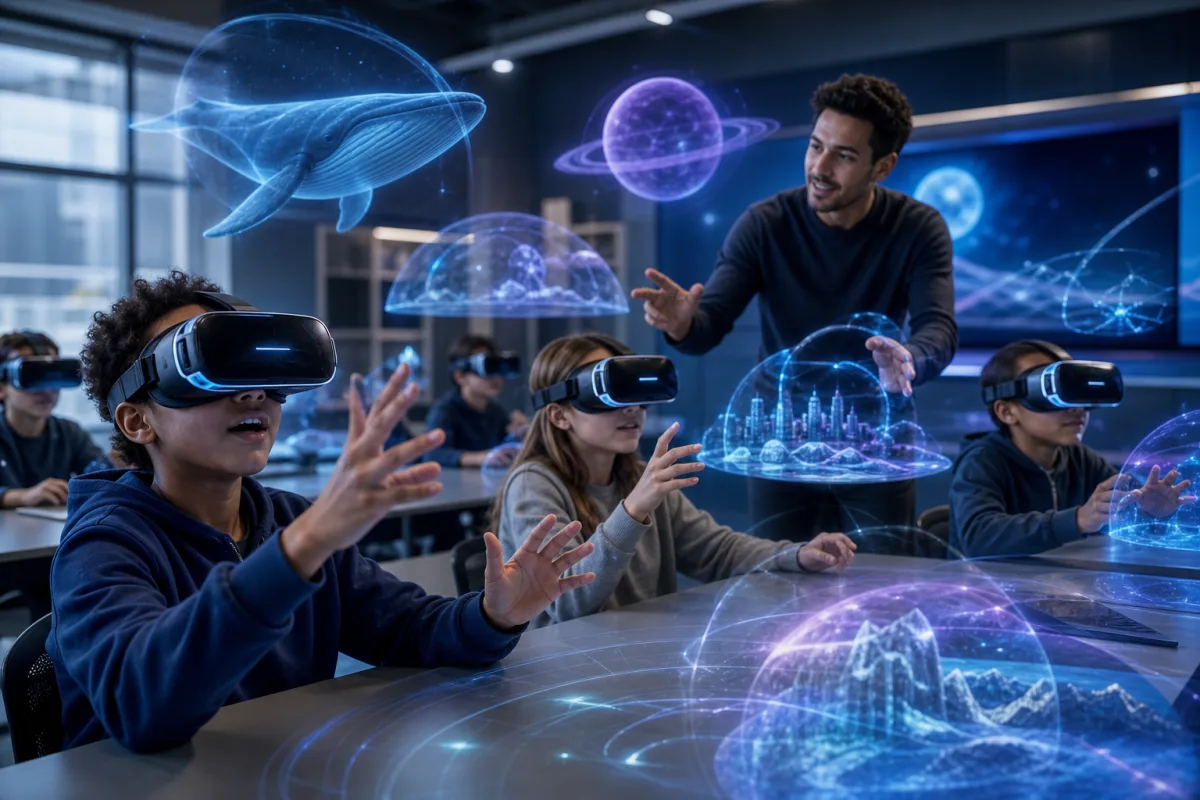
Virtual reality in schools has a reputation problem: expensive headsets, fiddly setup, motion sickness and a cupboard full of devices nobody uses. The reality in 2026 is far more practical. You can bring the core benefit of VR — putting students inside a subject — into your classroom this week, and scale up only when it's worth it.
What "VR in the classroom" really means
It helps to separate two things people lump together:
- Immersive content — 360° worlds you can look around and explore, like a reconstruction of Roman London or a journey through the solar system.
- VR hardware — headsets that deliver that content with full presence.
The valuable part is the content. The headset is just the most immersive way to deliver it. That distinction is what makes classroom VR affordable: the same world that shines in a headset also works on your projector. For the underlying theory, see what is immersive learning?.
The three delivery models
1. Whole-class (no headsets)
Project a 360° world onto the board and lead the class through it, deciding together where to look. This is the easiest possible start — no new hardware, no management overhead — and it's genuinely effective for a shared virtual field trip.
2. Small-group rotation
Add a handful of headsets or tablets. While one group explores in headsets, the rest work on a related task, then rotate. This is the sweet spot for most schools: a fraction of the cost of a full class set, most of the impact, and manageable supervision.
3. One-to-one
A full class set gives every student their own headset simultaneously. It's the most immersive and the most demanding to run — best for schools that have committed to VR and built the routines to support it.
Getting the practicalities right
Classroom VR works when the logistics are handled:
- Session length. Keep individual headset time to 10–15 minutes. It's plenty for a focused exploration and avoids fatigue.
- Hygiene. Wipe headsets between users; washable covers help.
- Supervision. Students in headsets can't see the room, so keep the space clear and seated, and keep an eye on the group.
- Cast the view. Mirroring one headset to the board keeps the class shared and lets you guide the experience.
- Age guidance. Follow the manufacturer's minimum age (often 13) for headsets; younger classes use the projector or tablet route.
Why bother: the classroom payoff
Done well, VR earns its place:
- Access to the impossible. Visit the past, the deep ocean, or inside the body — places no coach can reach.
- Engagement. Presence captures attention in a way slides can't.
- Inclusion. Every student joins, including those who can't do physical trips — see immersive learning for SEND.
- Retention. Spatial, emotional experiences are remembered longer.
Why browser-based VR is easier
Traditional classroom VR meant installing and updating apps on every device and getting each one through app-store approvals. 360Worlds runs in a web browser on computers, tablets and headsets, which removes the single biggest IT headache. Students can even use the dedicated Meta Quest viewer for headset sessions. For the full answer on hardware, read do you need a VR headset to use 360Worlds?.
How to start this term
- Pick a world that matches a topic you're teaching from the library.
- Run it whole-class on the board for ten minutes with a clear question.
- If it lands, add a few headsets and try the rotation model.
That's a realistic path from zero to a working classroom-VR routine without a big budget or a leap of faith. When you're ready to scale, 360Worlds for schools is built for exactly this — see pricing or book a demo.
Frequently Asked Questions

The 360Worlds Team
Immersive Learning Specialists
We build immersive educational worlds that let learners explore history, science, geography, space and nature through interactive 360° experiences.
Related Articles
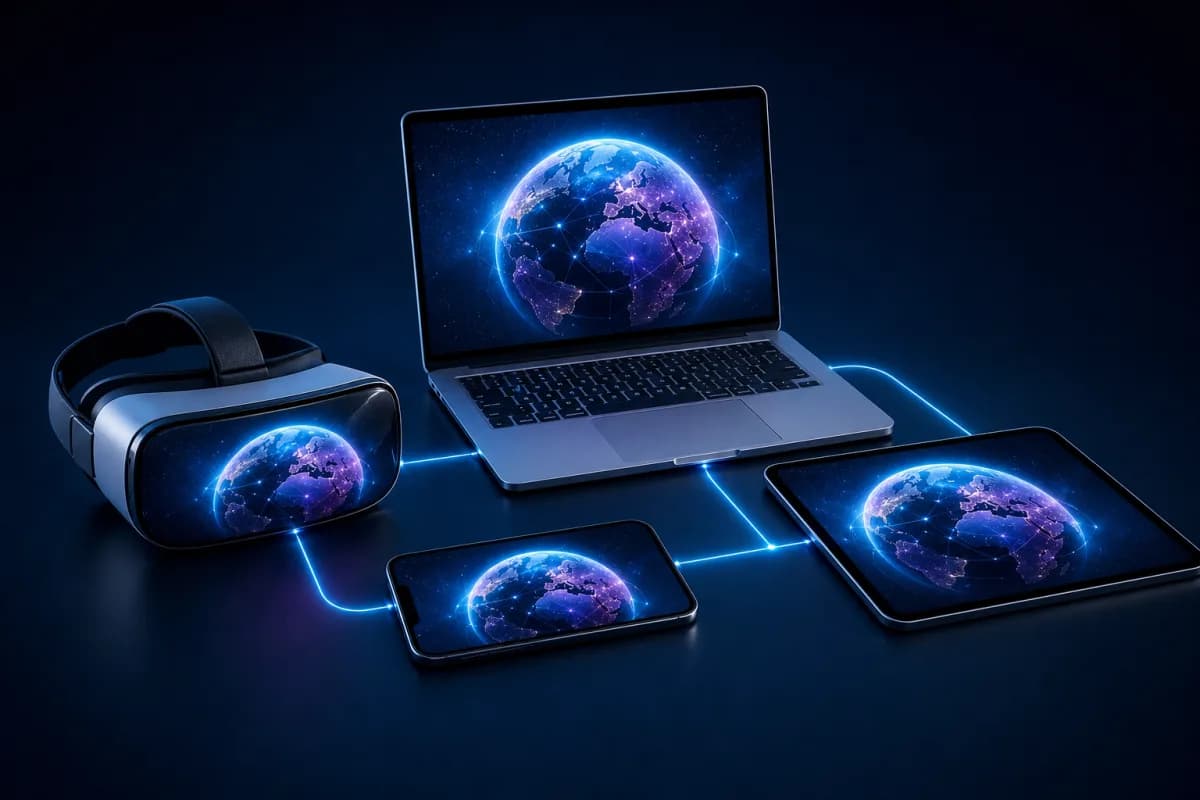
Do You Need a VR Headset to Use 360Worlds?
Short answer: no. 360Worlds runs in any web browser, on any device. Here's exactly what works with and without a headset, and when a headset is worth it.
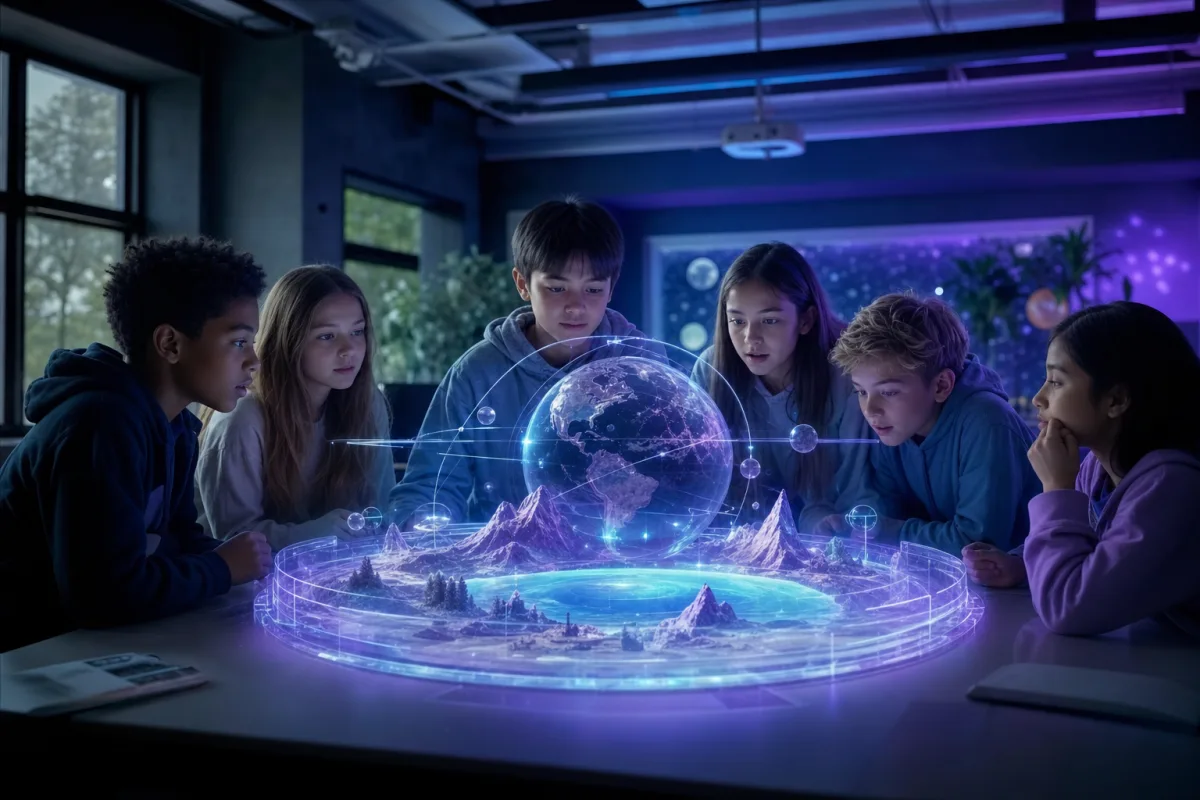
What Are Virtual Field Trips? A Teacher's Guide
Virtual field trips let a class explore anywhere — a Roman street, the surface of Mars, the inside of a cell — without leaving the room. Here is what they are, how they work and how to run one well.

What Is Immersive Learning? A Complete Guide
Immersive learning uses 360°, VR and interactive environments to put students inside a subject rather than in front of it. Here's what it is, why it works, and how to use it in any classroom.